


Why Kitchen Costs Vary So Widely
Before the conversation turns to layout, materials, or timeline, most homeowners want to understand one thing: what will this cost? It’s usually the very question our clients ask.
It’s a fair question, and one that deserves a clear, honest answer. The reality is that a kitchen remodel in the Bay Area doesn’t have a fixed price. It has a range shaped by scope, existing conditions, and how thoroughly the project is planned from the start.
Simple estimates are common, but they rarely provide meaningful clarity. Cost is not determined by square footage alone—it’s defined by decisions. This guide is designed to help you understand what drives those decisions, so you can approach your project with a more informed perspective.
Most homeowners searching for the average kitchen remodel cost in the Bay Area are trying to establish a realistic starting point. While ranges vary, understanding what drives those numbers is far more useful than focusing on a single estimate.
Average Kitchen Remodel Cost in the Bay Area
Rather than buckets labeled “budget” or “luxury,” I find it more useful to think in terms of scope. Here’s how I generally frame the conversation with clients:
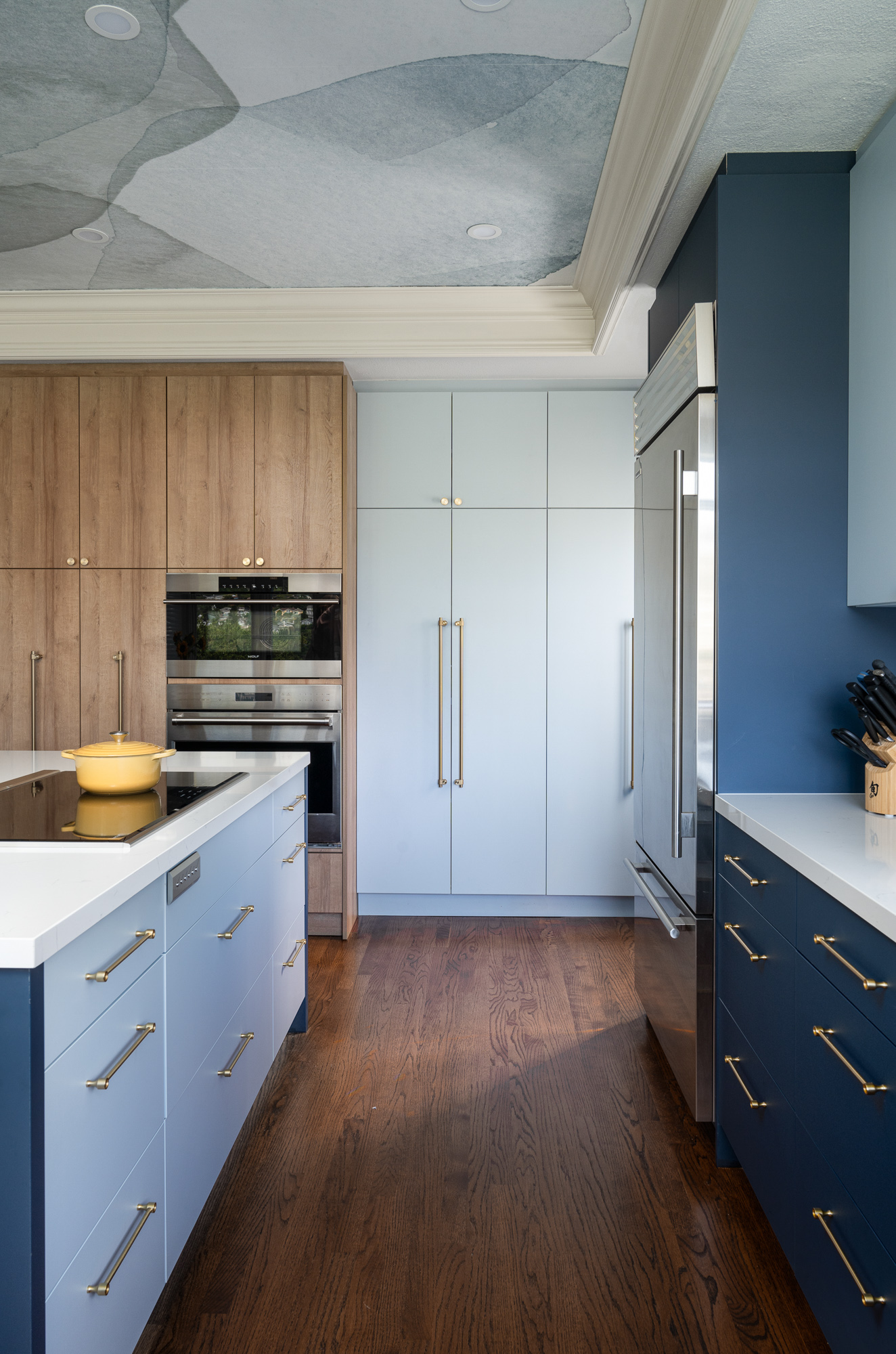
Smaller kitchens or light reconfiguration
$80,000–$130,000. Cosmetic updates, cabinet replacements, new appliances, and modest layout improvements within the existing footprint.
Full remodel with layout improvements
$130,000–$250,000. Reconfiguring flow, opening walls, better use of space, thoughtful material selections, and integrated lighting design.
High-end, structural changes, premium materials
$250,000 and up. Structural work, premium cabinetry and appliances, custom millwork, full architectural involvement, and complex permitting.
These ranges will also shift depending on your home type. A Victorian in the Sunset with load-bearing walls and knob-and-tube wiring is a fundamentally different project than a mid-century ranch in Marin with an open floor plan. Older homes carry older conditions — and uncovering those conditions is part of the process.
Bay Area labor costs and permitting requirements also raise the baseline before a single cabinet goes in. That’s not a warning, it’s just context. Understanding it early helps you plan more effectively.
What Drives Kitchen Remodel Costs in the Bay Area
Layout Changes & Structural Work
Moving walls, relocating a doorway, or opening a kitchen to an adjacent dining space are among the most impactful — and most costly — decisions you can make. Structural beams, load-bearing conditions, and reconfiguring flow all require engineering and careful coordination. But when done well, they transform how a home lives, not just how a kitchen looks.
Cabinetry & Millwork
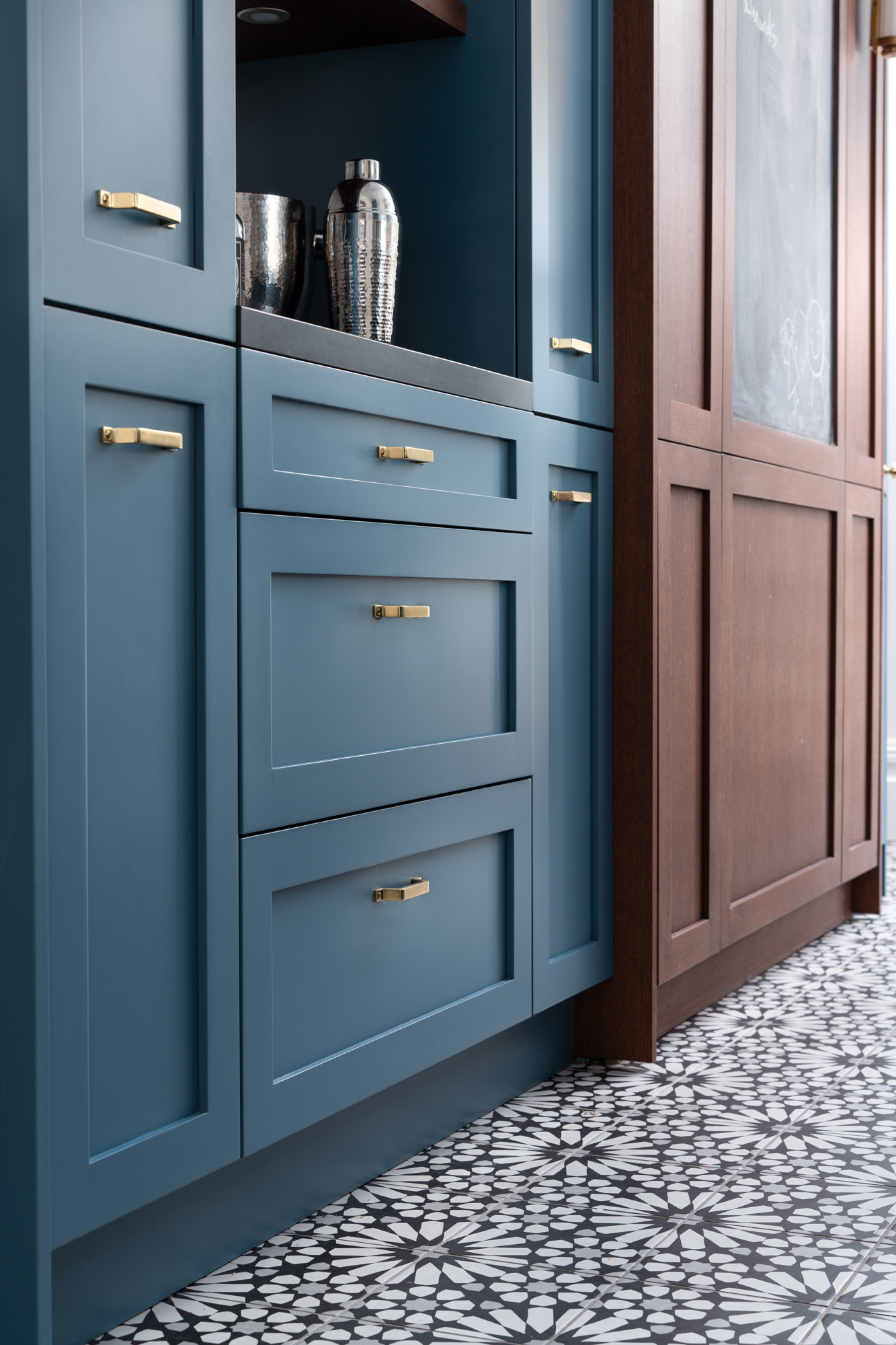
Cabinetry is typically the single largest line item in a kitchen remodel. The difference between semi-custom and fully custom cabinetry is not just aesthetic—it affects how well the design fits your space, how it functions daily, and how long it lasts. Investing here tends to deliver the greatest long-term value.
Appliances
There’s a meaningful spectrum between performance-grade and luxury brands, and the right choice depends on how you cook, not just what looks good in a showroom. Integration — how appliances are built into cabinetry and panels — also adds cost, but contributes significantly to a cohesive, high-end result.
Permits & Compliance
In the Bay Area, permits are not optional, and they’re not simple. Seismic upgrades, energy compliance, and code requirements vary by jurisdiction — San Francisco has its own set of rules, as does Oakland, Berkeley, and every municipality in between. Failing to account for this early creates expensive course corrections later.
Labor & Construction Complexity
Skilled trades in the Bay Area command premium rates — and they’re worth it. A well-coordinated construction team that has worked with design-driven projects moves faster, makes fewer errors, and produces a better result. Site constraints matter too: narrow access, multi-story homes, or tight urban lots all add complexity.
Design & Planning
The role of an architect or interior architect isn’t a luxury add-on — it’s how projects stay on scope and on budget. Early coordination between design intent and construction reality catches problems before they become change orders. The investment in thorough documentation is one of the highest-returning decisions you can make.
Hidden Kitchen Remodel Costs to Plan For
Most budget overruns aren’t the result of bad decisions — they’re the result of incomplete information at the start of a project. Here’s what tends to catch homeowners off guard:
Electrical and plumbing upgrades
Older homes often require panel upgrades, circuit additions, or replumbing that weren’t visible before walls were opened.
Unexpected structural surprises
What looks like a simple wall removal can reveal unexpected framing, pest damage, or water intrusion.
Permit revisions
Design changes after permits are submitted mean re-submittal fees, added review time, and potential delays.
Temporary living arrangements
A full kitchen remodel can take three to six months. The cost of a temporary kitchen setup — or relocating entirely — deserves a line in the budget.
Timeline-related costs
Extended timelines mean extended carrying costs. Delays compound.
The antidote to most of these surprises is thorough planning before construction begins — not after.
Why Layout Matters More Than Finishes in a Remodel
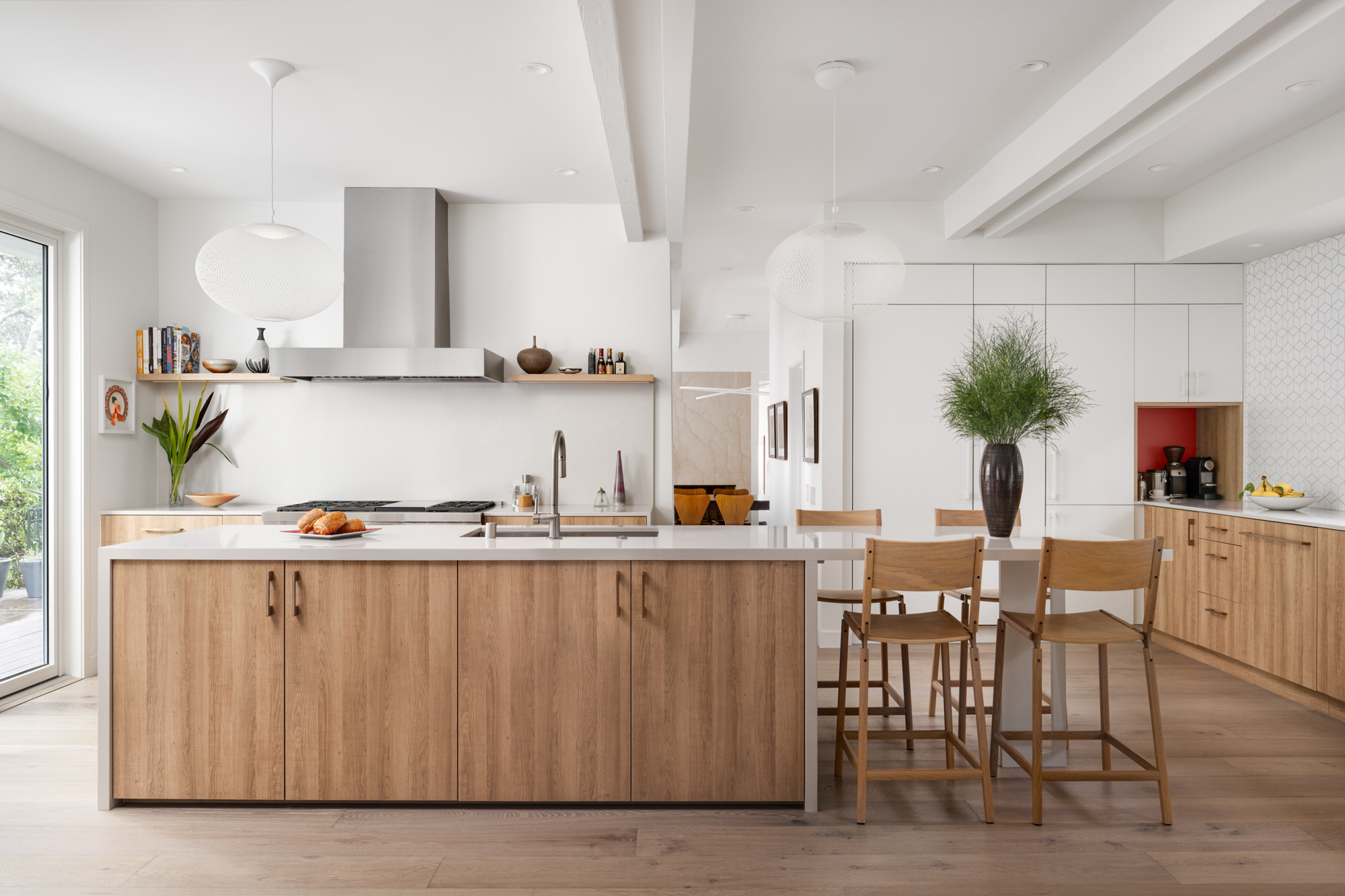
I’ve written about this in more depth elsewhere on this blog, but it’s worth repeating here in the context of cost: the most expensive finishes in the world cannot compensate for a kitchen that doesn’t work.
Layout decisions — where the island sits, how traffic flows, how prep zones relate to cooking and cleaning — are structural and permanent. Changing them after the fact is enormously expensive. Finishes, by contrast, can be updated. Countertops can be replaced. Hardware can be swapped. A poorly designed kitchen, once built, is much harder to fix.
From a cost-versus-value standpoint, investing in thoughtful spatial planning at the start delivers compounding returns over the life of the home. It improves daily function, supports resale value, and makes the rest of the design decisions easier to execute.
Where to Invest in a Kitchen Remodel (and Where to Be Strategic)
Worth the Investment
Key Elements of a Functional Kitchen Design
- Layout and spatial planning. The foundation everything else builds on.
- Cabinetry quality. Durability, fit, and finish are felt every day.
- Lighting design. One of the most underestimated contributors to how a kitchen feels.
- Durable, timeless materials. Invest in surfaces you’ll still love in fifteen years.
Where to Be More Strategic
Avoiding Kitchen Design Pitfalls
- Trend-driven finishes. Today’s statement tile may feel dated in five years.
- Over-specified appliances. A commercial-grade range makes sense if you cook that way. If you don’t, it’s expensive performance theater.
- Non-essential add-ons. Feature creep is real. A clear scope protects your budget.
How Planning Reduces Kitchen Remodel Costs
The single most effective cost-control tool in a kitchen remodel is a well-developed design before construction begins. This isn’t just about knowing what you want — it’s about having documentation detailed enough that contractors can bid accurately, permits can move efficiently, and decisions aren’t made under pressure on the job site.
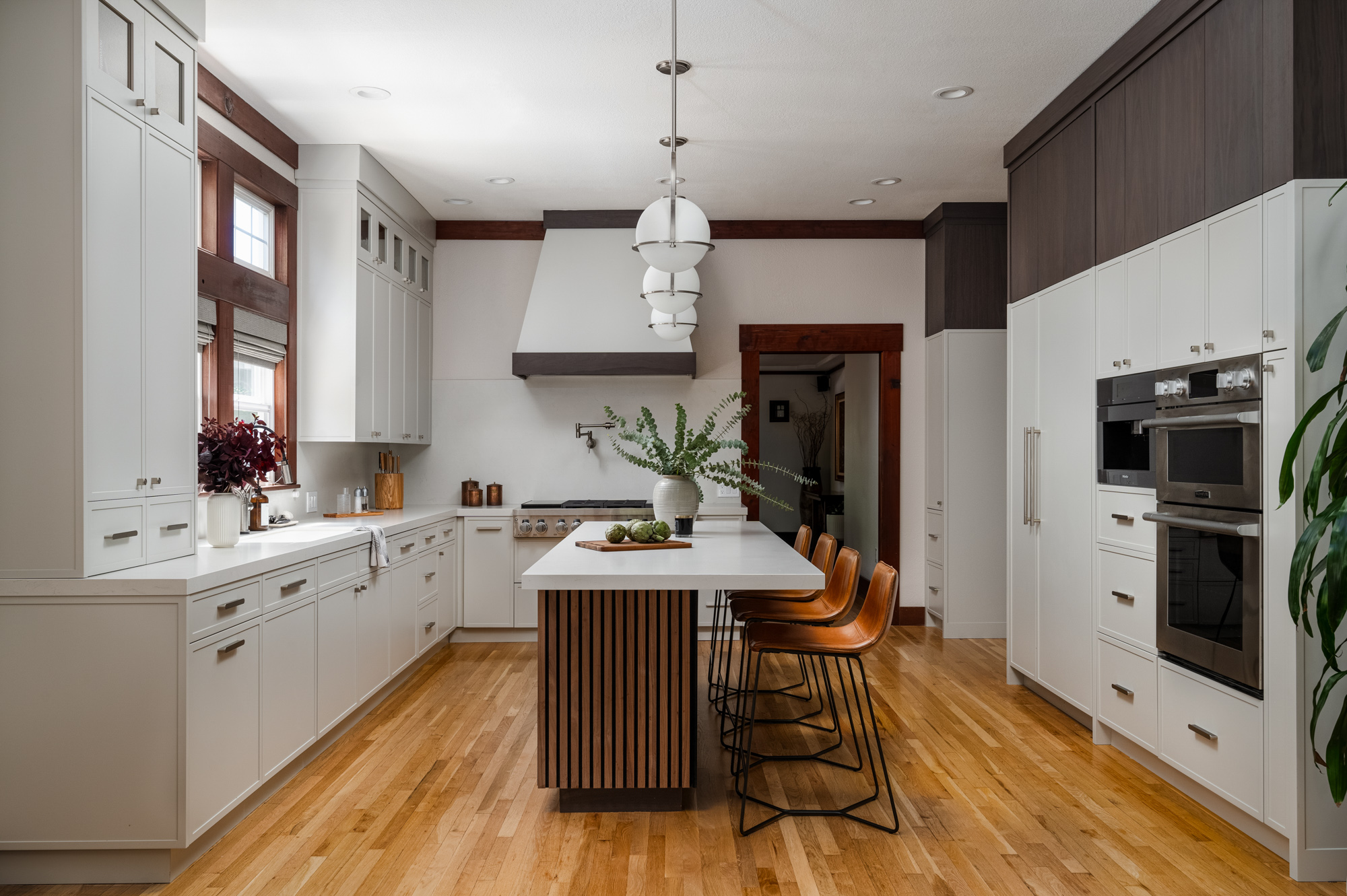
Design-led projects generate fewer change orders. Change orders — modifications made during construction — are among the most expensive ways to spend money in a remodel. They disrupt sequencing, require re-procurement, and almost always cost more than the same decision made at the planning stage.
Aligning design intent with permitting requirements early also keeps the project moving. Permit revisions slow everything down — and slow timelines cost money in ways that don’t always show up on an itemized list.
How Timeline Impacts Kitchen Remodel Cost
A kitchen remodel is not just a construction project — it’s a sequence of interdependent decisions, deliveries, and inspections. When any one piece is delayed, the downstream effect compounds.
Permit delays push back start dates. Material lead times, especially for custom cabinetry and specialty appliances, need to be built into the schedule from day one. Rushed decisions — the kind made when a contractor is standing in your kitchen waiting for an answer — tend to be expensive ones. A realistic timeline, planned carefully, is itself a form of budget management.
Typical Timeline for a Kitchen Remodel in the Bay Area
Most kitchen remodels follow a consistent sequence, though timelines vary based on scope and permitting:
- Planning & Design: 4–8 weeks
- Design Development & Documentation: 6–12 weeks
- Permitting: 8–16+ weeks
- Construction: 4–9+ months
Projects that begin with clear, well-developed plans tend to move more efficiently through each phase, reducing delays and unexpected costs.
What This Means for Bay Area Homeowners Planning a Remodel
The Bay Area presents a specific set of circumstances that most renovation guides don’t fully account for. Historic homes in San Francisco and Oakland carry conditions that newer construction doesn’t — charm and character, yes, but also aging systems, quirky framing, and layers of previous renovation work that need to be carefully evaluated before any new scope is added.
For busy professionals managing demanding schedules, the value of a guided, well-managed process goes beyond the design itself. Knowing that someone is coordinating the moving parts — the trades, the permits, the material procurement — is a real and meaningful benefit.
.jpg)
High-quality kitchen remodels in this market don’t happen through shortcuts. They happen through alignment: between the homeowner’s vision, the design team’s expertise, and the construction process that brings it together.
Start With Clarity, Not Assumptions
Cost is always part of the conversation—but it is not the starting point. It is the result of a series of decisions: the scope you define, the layout you commit to, and the level of planning completed before construction begins.
Homeowners who navigate kitchen remodels most successfully are not necessarily those with the largest budgets. They are the ones who begin with clarity, understand what drives cost, and make decisions early—before those decisions become more expensive to change.
If you are considering a kitchen remodel, understanding what is possible within your home—and your investment range—early in the process can shape both the outcome and the experience in meaningful ways. I
For projects that benefit from a design-led approach, we’d love for you to explore how we guide clients through planning, design, and construction.
Reach out to William Adams Design studio to start that conversation.
Planning a Kitchen Remodel in the Bay Area
Most kitchen remodels begin with finishes. But what truly shapes the outcome of a project is the planning that happens long before those decisions are made. This short guide is designed to help you step back and evaluate how prepared you are for a kitchen renovation and where early planning can make the greatest difference in cost, timeline, and overall result.

Increase the potential of your home
