

Renovating a home in the Bay Area is often approached as a design exercise, selecting finishes, defining style, and preparing for construction. In reality, the process is far more complex.
Between permitting requirements, historic preservation guidelines, and evolving zoning regulations, the path from concept to construction requires careful coordination. Homeowners who understand this early are better positioned to manage timelines, avoid costly revisions, and make informed decisions throughout the project.
A successful renovation doesn’t begin with finishes; it begins with a clear plan that aligns design, permitting, and construction from the outset.
Why the Bay Area Renovation Process Is More Complex
The Bay Area is not a single regulatory environment — it is a patchwork of cities, counties, and jurisdictions, each with its own permitting processes and building codes. What applies in Berkeley may differ significantly from San Francisco, Oakland, or Marin County. Layered on top of local rules are state-level mandates around energy efficiency, water conservation, and wildfire safety, along with federal standards that affect certain historic properties.
Several key factors make Bay Area permitting particularly involved:
- Local municipal regulations that vary significantly across jurisdictions
- Historic preservation guidelines in designated neighborhoods and districts
- Seismic and structural safety requirements specific to the region
- Energy and environmental standards that apply to new construction and significant renovations
- ADU and zoning regulations that have evolved rapidly in recent years
Each of these layers can affect the scope, timeline, and design of a renovation project. That is why early planning is not just helpful — it is essential. Projects that begin with a clear understanding of permitting requirements are less likely to encounter design revisions mid-process or costly delays waiting for approvals.
The 4 Key Phases of a Bay Area Renovation
While timelines can vary, depending on the scope and complexity of each, projects that begin with thorough planning and well-prepared documentation tend to move through permitting and construction more efficiently. Understanding how these phases connect, and what happens at each stage , helps homeowners set realistic expectations and make informed decisions throughout the project. While every project is unique, most Bay Area renovations move through four primary stages.
Initial Planning & Concept Design
This phase focuses on understanding the home, defining goals, and developing a design direction that aligns with both the architecture and the homeowner’s needs.
Design Development & Documentation
Concepts are refined into detailed drawings and construction documents. This is also when design decisions are coordinated with structural, code, and permitting requirements.
Permit Review & Approval
Plans are submitted to the local jurisdiction for review. Timelines vary significantly depending on the city, project complexity, and whether revisions are required.
Construction
Once permits are approved, construction begins. Duration depends on project scope, site conditions, and contractor coordination.
Several factors influence renovation timelines, including the jurisdiction and its permitting backlog, the scope of structural or layout changes, and any historic or zoning constraints. Equally important is the level of design detail completed before submission—well-prepared plans typically move through the process more efficiently, while incomplete ones often lead to delays.
Renovating Historic Homes: What to Know
The Bay Area is home to a remarkable concentration of historic architecture — Victorian and Edwardian row houses, Craftsman bungalows, mid-century modern homes, and more.
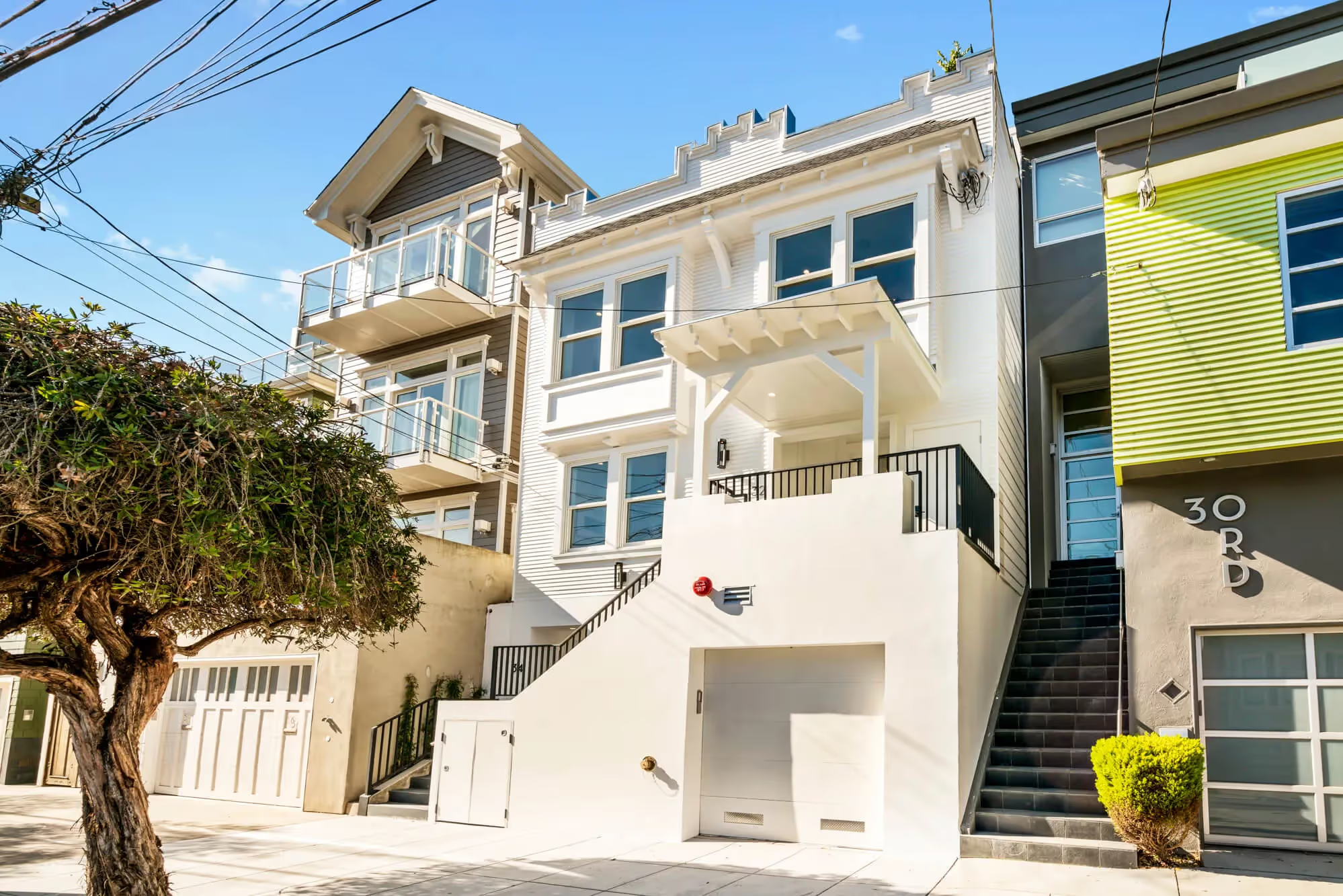
Many neighborhoods carry historic designations or overlay districts that establish guidelines for how properties may be altered, particularly on their exteriors.
For homeowners renovating a historic property, this can mean:
- Adhering to historic preservation guidelines during the design process
- Obtaining additional approvals for exterior changes, even relatively minor ones
- Maintaining the architectural character of the original structure while updating the home's functionality
These considerations are not obstacles — they are opportunities for thoughtful design. A well-conceived renovation can preserve the historic integrity of a home's façade and character while creating a fully modern, functional interior. The key is working with these constraints from the very beginning of the design process, rather than discovering them after plans are already developed.
ADUs and Conversions: Planning Within Constraints
Accessory Dwelling Units have become one of the most actively pursued renovation projects in the Bay Area, driven by housing demand, multigenerational living needs, and the potential for rental income. State legislation has significantly expanded what is permissible, but local zoning rules still play an important role in shaping what is feasible on a given property.
ADU projects involve a distinct set of considerations:
- Local zoning requirements that affect where an ADU can be located on the property
- Size limits and setback requirements that define the building envelope
- Parking and utility considerations, including separate service connections
- Permit approvals from multiple departments, sometimes including planning, building, and public works
Because ADU projects often involve conversions of existing garages, basements, or backyard structures, the design must reconcile existing conditions with new programmatic requirements. Early coordination between design and permitting is particularly valuable here — it helps identify what is achievable before significant time is invested in a direction that may not be approvable.
Why Early Planning Prevents Delays and Redesigns

One of the most common and avoidable sources of delay in a renovation project is discovering conflicts during permitting after design decisions have already been made.
When planning begins with a clear understanding of regulatory requirements, those constraints become part of the design process rather than obstacles to it. This allows solutions to be developed intentionally rather than reactively.
Thoughtful early planning helps identify potential challenges before they affect timelines, reduces the likelihood of revisions during permit review, and creates a more predictable path into construction. For homeowners, this translates into fewer surprises and a more controlled, efficient project overall.
What a Design-Led Renovation Process Looks Like
A design-led approach is often misunderstood as being primarily about aesthetics. In practice, it is about integrating design thinking into every stage of the project.
This includes evaluating the home’s existing architecture, understanding structural and regulatory constraints, and developing spatial solutions that align with both the homeowner’s goals and what is realistically achievable.
It also means producing clear, comprehensive documentation that supports a smoother permitting process and more accurate construction execution.
When design, permitting, and documentation are aligned from the beginning, the renovation process becomes significantly more streamlined, and the end result more cohesive.
Why Starting With a Plan Matters
Renovating a home in the Bay Area requires more than selecting finishes and finding a contractor. It requires understanding how design, permitting, and construction connect, and how the decisions made in the earliest stages of a project shape everything that follows.

Homeowners who approach their renovation with clarity about the process are better equipped to make decisions, manage expectations, and ultimately achieve results they are proud of. The complexity of Bay Area permitting is real, but it is navigable, especially when thoughtful planning begins at the very start.
The best renovations are rarely the result of moving the fastest. They are the result of planning well.
If you’re exploring a project and want clarity on what’s possible within your home and local requirements, starting that conversation early can make a significant difference. We would love to chat with you!

Increase the potential of your home
