

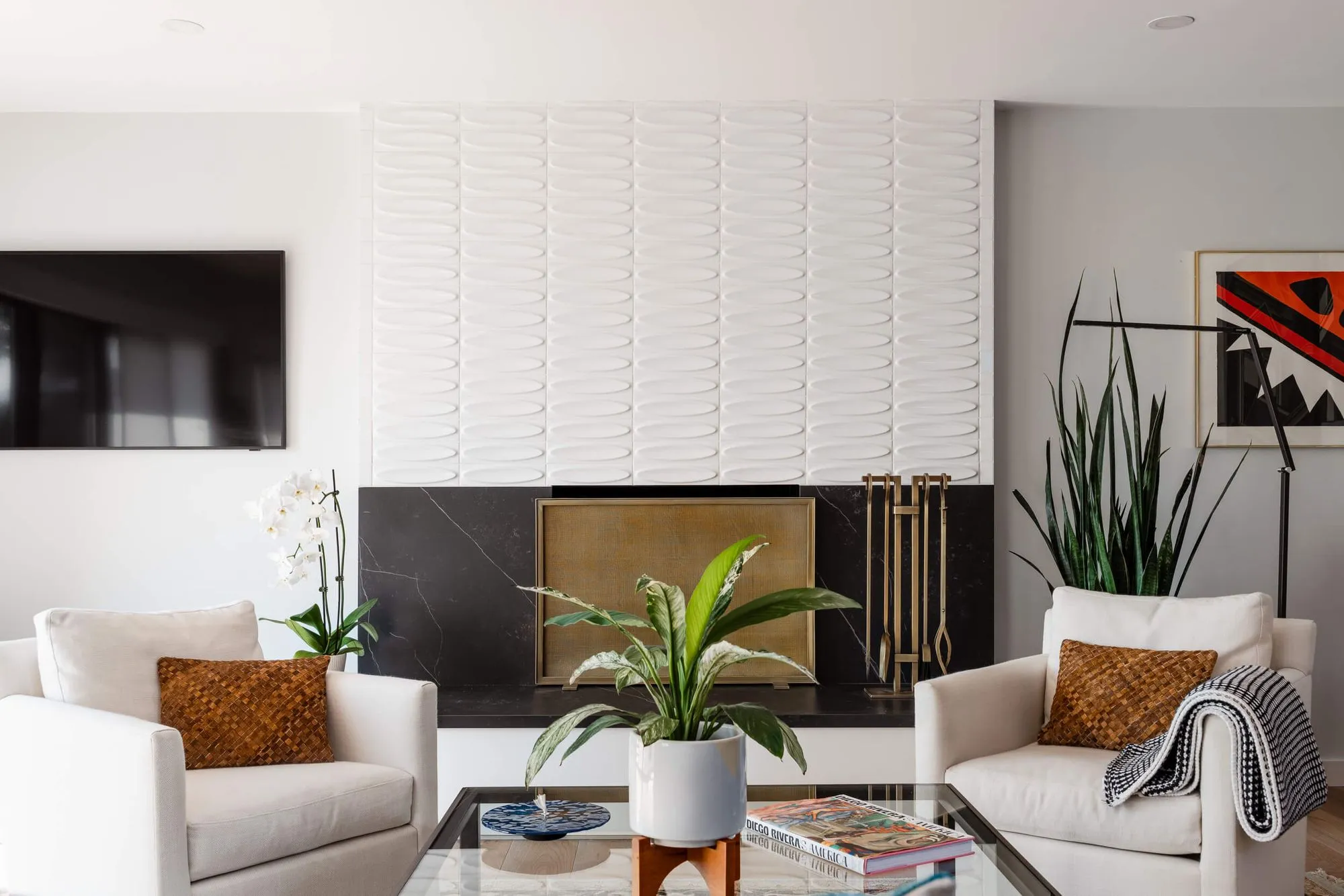
It happens in almost every project. A client falls in love with a sofa, a dining table, or a lighting fixture and then asks where they can buy one for a second room, or recommend it to a friend. The answer surprises them: you can’t. It’s not available online. No retail store carries it. No amount of searching will surface it on a product listing.
If you’ve ever worked with an interior designer, you’ve likely encountered this. The furniture that elevates a well-designed home, the pieces that feel different the moment you sit in them or run your hand across the surface, almost never comes from a retail store. It comes from the trade.
Here’s what that means, why it matters, and what it actually looks like when you invest in a thoughtfully furnished home.
What “To-the-Trade” Actually Means
Trade-only furniture brands, also called “to-the-trade,” are manufacturers that sell exclusively through designers, architects, and industry showrooms. They don’t sell directly to consumers, and they don’t distribute through retailers.
Some of the brands we work with regularly include:
- Bernhardt Furniture, A. Rudin, and Arteriors for upholstered pieces and accent furniture
- Four Hands, Alder & Tweed, Dovetail, and Classic Home for case goods and bedroom
- Hudson Valley Lighting Group for fixtures and lighting
- Stark Carpet for rugs and floor coverings
- Nickels Cabinets for custom cabinetry runs
What separates these brands isn’t just who can purchase them. Most are made-to-order rather than mass-produced. When we specify a sofa from A. Rudin or a cabinet run from Nickels, those pieces are built after the order is placed, often with options that simply don’t exist in a retail context:
- Custom dimensions sized to the specific room and architecture
- Fabric and leather selections from curated libraries, including client’s own material (COM)
- Finish options across wood species, stains, and hardware
- Cushion fills and construction details tailored to use and preference
- Upholstery configurations that can be modified for scale or function
The result is furniture designed around the home, not furniture the home has to work around.
Why Designer Furniture Feels Different
The honest answer is that the difference is often invisible in a photograph. A trade sofa and a retail sofa can look nearly identical on screen. The difference becomes apparent when you sit in it, move it, and live with it for a few years, and especially when you decide, a decade later, whether to replace it or simply have it reupholstered.
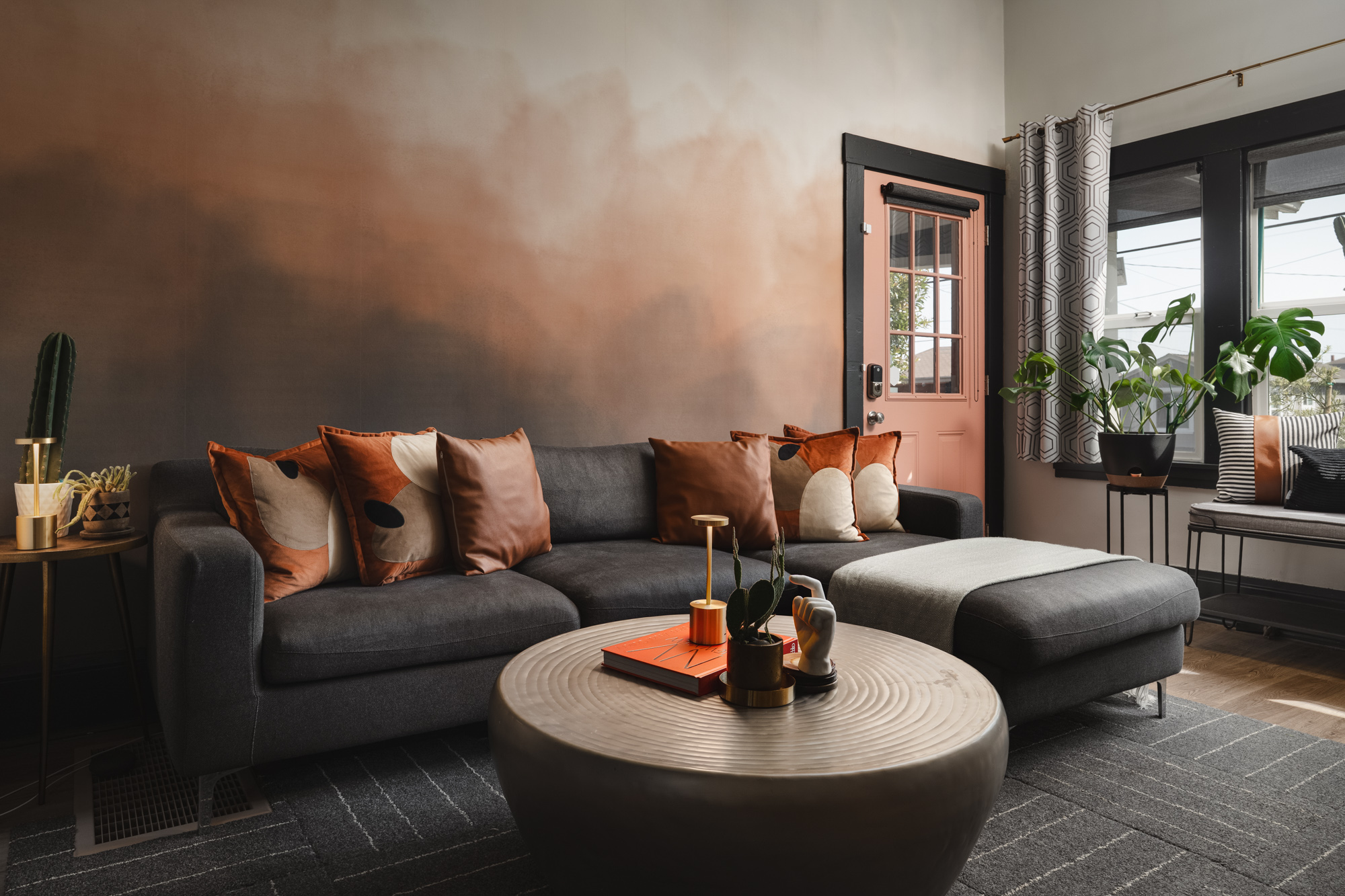
Construction is where trade furniture earns its price point. Bench-made upholstery with eight-way hand-tied springs, kiln-dried hardwood frames, and high-density foam with down wrapping is a fundamentally different product from a sofa built on engineered wood with glued fabric. Both may photograph beautifully. Only one holds its shape through years of daily use.
The same applies to case goods, lighting, and textiles. Solid wood with dovetail joinery ages gracefully and can be refinished. Veneered particleboard swells and chips. A well-made fixture from Hudson Valley Lighting Group is built to outlast the trends it was selected to complement. These distinctions aren’t always obvious at purchase, but they become very clear over time.
The Problem With Furnishing a Home Entirely from Retail
There’s nothing wrong with retail furniture in the right context. For transitional spaces, rentals, or pieces where longevity genuinely isn’t the priority, it can be perfectly appropriate.
But furnishing a thoughtfully designed home entirely from retail creates consistent challenges. The most common is scale. Retail furniture is designed to appeal broadly and photograph well in a neutral showroom setting. It isn’t designed for any particular room. Homeowners frequently select pieces that are the wrong size for their actual space: too small for a generous living room, too large for a narrow entry, or proportionally mismatched in ways that are genuinely difficult to diagnose without a trained eye.
Beyond scale, there’s the cohesion problem. Individual retail pieces may each be attractive. But furniture designed for mass appeal tends to resist combining into a resolved whole. The result is a room that feels assembled rather than designed, where each piece competes for attention rather than contributing to a unified character. This isn’t a failure of taste. It’s the natural outcome of selecting pieces outside of a spatial and architectural context.
Why Designers Have Trade Access and What That Access Involves
.jpg)
Access to trade resources isn’t simply a purchasing credential. It comes with accountability and expertise that manufacturers reasonably require.
When we work with a trade brand, we’re responsible for the specification. That means knowing how to measure correctly, calculate upholstery yardage, coordinate COM fabric with manufacturer requirements, and manage lead times across multiple vendors so a room comes together on schedule rather than in pieces spread over months. It means understanding how a finish reads under the specific lighting conditions in a room, whether a fabric is appropriate for a household with children or pets, and whether a piece’s scale resolves correctly against the architecture.
Trade relationships are professional relationships. Manufacturers work with designers because designers represent projects consistently, communicate specifications clearly, and manage the coordination that retail transactions simply can’t accommodate.
What Happens Behind the Scenes Before Anything Arrives
A significant part of what we do on behalf of clients happens before a single piece arrives at their home, and most of it is invisible to them.
Sourcing a furnished room typically involves:
- Reviewing physical samples of fabrics, wood finishes, and stone before any order is placed
- Space planning to confirm every piece fits, not just in the room, but through the door, around stair landings, and into elevators if applicable
- Coordinating lead times across vendors so that furnishings from multiple manufacturers arrive within a workable window
- Managing damage claims, replacements, and re-deliveries when something arrives compromised
- Overseeing white-glove delivery, installation, and quality inspection before the client ever sees the finished room
None of this is visible in the final room. That’s precisely the point.
Understanding the True Cost of Furniture
The sticker price of trade furniture is genuinely higher than that of comparable retail options. That comparison becomes more complicated when you look at the full picture.
A retail sofa at a moderate price point may last five to seven years before the frame softens, the cushions lose their shape, and the fabric shows wear that can’t be addressed. A trade sofa built on a hardwood frame with quality upholstery can be reupholstered, refreshed entirely for a fraction of the original cost, and last twenty years or more. The math over time looks very different than the initial price comparison suggests.
What clients most often misunderstand is that they’re comparing the purchase price of two different products, not the cost of ownership over the life of the home. Once that framing shifts, the value of a well-made piece becomes considerably easier to understand.
When Designer Furniture Is Worth the Investment

Not every piece in a home needs to be heirloom quality. Accessories, decorative objects, and items with a shorter intended lifespan are reasonable candidates for more affordable sourcing.
But anchor pieces, including sofas, dining tables, beds, and primary case goods, are used every day and define the character of the rooms they occupy. These are the pieces where construction quality, customization, and proportion matter most:
- A sofa that will be lived on daily for fifteen years needs to be built for that reality
- A dining table that hosts years of family dinners should be solid enough to refinish and pass on
- For architecturally significant homes, including the Craftsman houses, Victorians, and mid-century properties common across the Bay Area, furnishings proportioned to complement the architecture make a meaningful difference in how the whole reads
The question isn’t whether to spend more. It’s whether the investment matches the longevity and use you’re planning for.
Furniture as Part of the Architecture of the Home
The homes we design aren’t backdrops for furniture, and furniture isn’t decoration layered on top of architecture. At its best, a well-furnished room is a unified thing. The proportions of the furniture respond to the scale of the space. The materials connect to the finishes. The character of the pieces supports the character of the home.
That level of resolution is very difficult to achieve when furnishings are sourced separately, from retail, after the fact. It becomes possible when furnishing planning happens early, alongside the design process, rather than as an afterthought once construction is complete.
If you’re investing in a thoughtfully designed home, the furnishings should be part of that investment from the beginning.
We work with clients to plan interiors holistically, from architecture through finishes through furnishings, so that the whole comes together the way it was designed to. Reach out if you’d like to discuss what that looks like for your project.
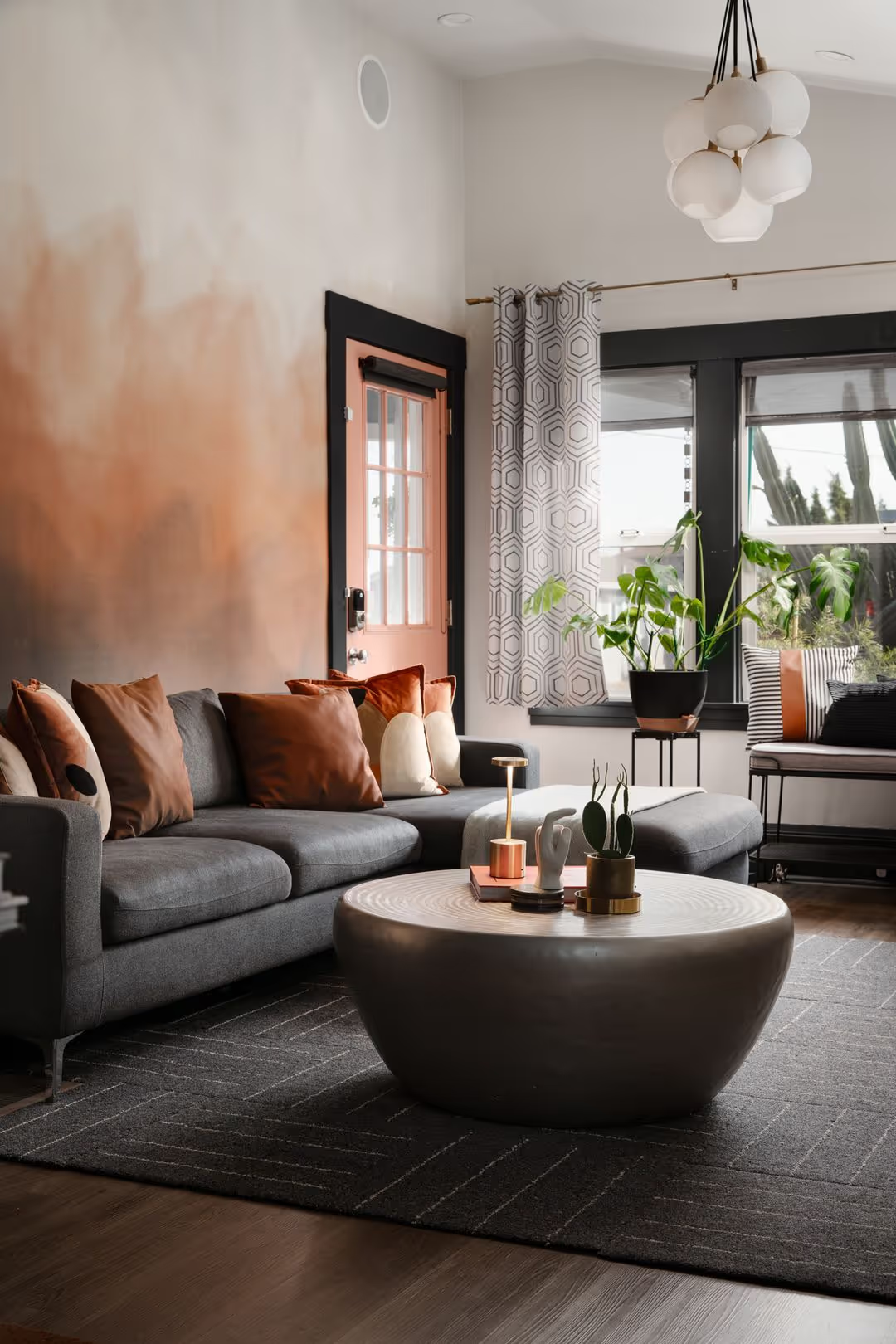
Retail vs. Trade Furniture
It happens in almost every project. A client sees a sofa or a dining table they love and asks where they can buy it and the answer is that they can't, at least not directly. It is not available online. It is not carried in any retail store. The pieces we specify are sourced through the trade: manufacturers and showrooms that work exclusively with designers, not the general public.

Increase the potential of your home
